
Why India Included Foundation

According to a report by the Johannesburg-based company New World Wealth, India is the second-most unequal country globally, with millionaires controlling 54% of its wealth. With a total individual wealth of $5,600 billion, it’s among the 10 richest countries in the world – and yet the average Indian is relatively poor. Compare this with Japan, the most equal country in the world, where according to the report millionaires control only 22% of total wealth.
In India, the richest 1% own 53% of the country’s wealth, according to the latest data from Credit Suisse. The richest 5% own 68.6%, while the top 10% have 76.3%. At the other end of the pyramid, the poorer half jostles for a mere 4.1% of national wealth. What’s more, things are getting better for the rich. The Credit Suisse data shows that India’s richest 1% owned just 36.8% of the country’s wealth in 2000, while the share of the top 10% was 65.9%. Since then they have steadily increased their share of the pie. The share of the top 1% now exceeds 50%. This is far ahead of the United States, where the richest 1% own 37.3% of total wealth. But India’s finest still have a long way to go before they match Russia, where the top 1% own a stupendous 70.3% of the country’s wealth.
The India Exclusion Report 2016 says the post-1990 growth was up to three times of the levels in the first four decades since Independence but the rate of poverty reduction slowed down from 0.94% per annum during 1981-1990 to only 0.65% between 1990 and 2005. The high growth led to 12-fold increase in wealth for the richest 10% people since 2000, while for the poorest 10% the income jumped by just three times and the reason was dismal new job creation. The report also points that half of India’s 103 million elderly are outside any social security scheme, 40% of disabled women in rural India without jobs and exclusion of the poor on account of digital illiteracy as government pushes Digital India.
What We Want to Achieve
Socially India Included Foundation (SIIF) was born in an attempt to move India towards inclusive growth that doesn’t leave behind large sections of the society. We are a group of passionate people wanting to make a change and work towards an inclusive India. The place of birth, family, or under-developed mind or physical disability are not to highlight lesser or higher humanity. Same way economic standing in society does not rank you on terms of humanity. It means that a person rich by birth is not a better human being, nor a person with lower intellectual capability a lesser human being.
Our goal is to work towards bridging the gap between haves and have-nots, not just in economic terms, but also in social and cultural areas as well. We will work towards removing prejudices of caste, language, gender and physical capability from entry points in education and workplace. We will empower and enable the underprivileged through education and industry involvement.
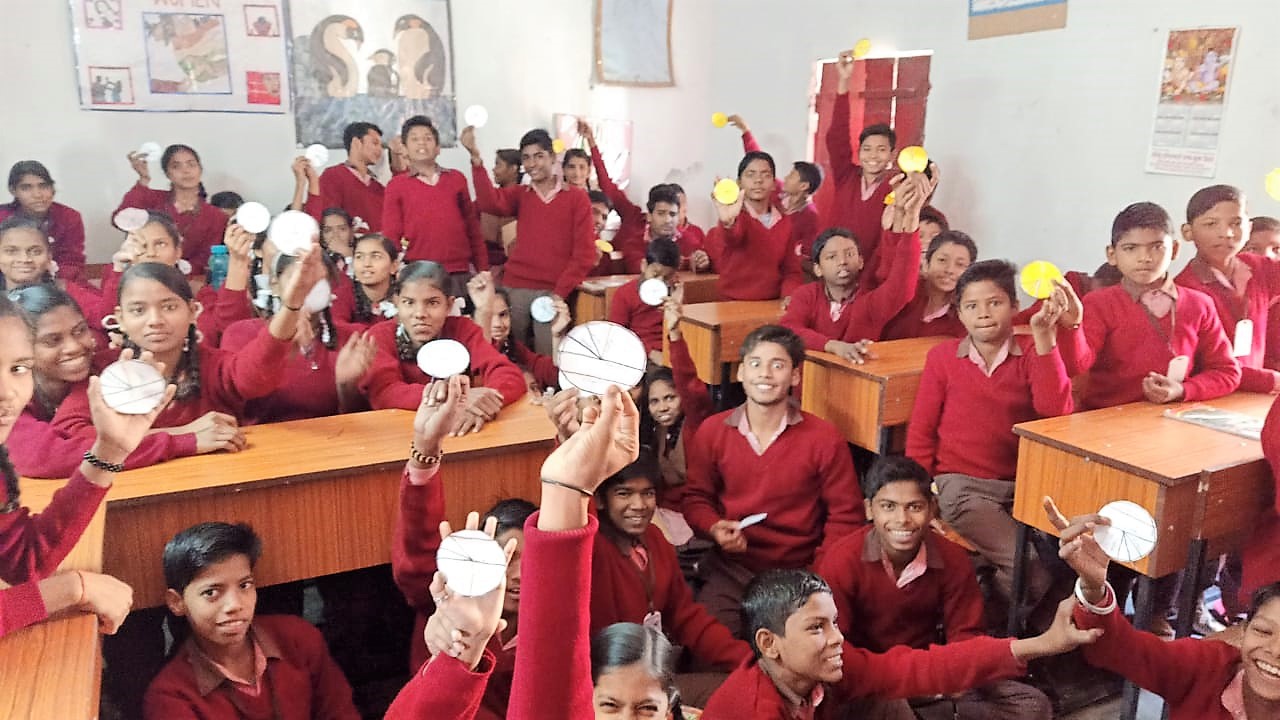
Our plan in the first 3 years is to impact 20,000 school students, and 25,000 college students. The school students will be enabled to sustain and grow actively in the school in which they are participating. For college students, the intent is to enable them to get gainful employment through structured life skills enhancement programs and industry involvement that will be integrated. In addition, we will train 1,000 trainers to deliver these programs in these schools and colleges. Over the coming years, we will utilize technology to scale our delivery.
Our Mission and Objectives:
The Socially India Included Foundation (SIIF) is building on the mission to ensure education of all in a focused way to enable them to behave with everyone in the country, inclusively.
The critical areas that the Foundation wants to keep focus on:
1. Education with inclusiveness perspective for all.
2. Employment and careers to be gainful and sustainable, growing inclusively.
3. Policies for the governance influenced to make appropriate interventions for developing, maintaining, and growing inclusion in society, in government operations, in industry, and in families at large.
4. Health and Environment interventions that impact and cause harmony amongst the people.
Our Team
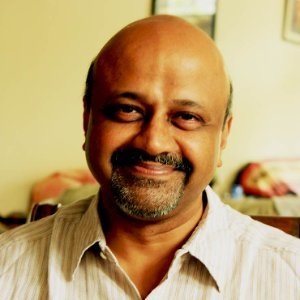
Neeraj Agarwal
Founder
Neeraj has over 31 years of work experience in different industries in varied roles. He has specialized in Business…
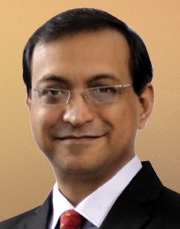
Manish Mohan
Co Founder
With more than two decades experience Manish is a seasoned business and operations leader and a budding entrepreneur. He…
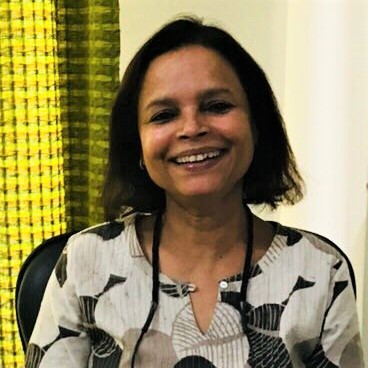
Ruma Roka
Advisor
Ruma founded the Noida Deaf Society (NDS) for enabling hearing impaired youth in India and providing them with meaningful…
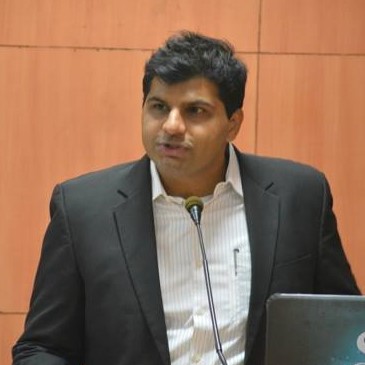
Sreevats Gopalakrishnan
Sreevats Gopalakrishnan is Chartered Accountant with over a decade of experience. He is a Partner with KV Aiyer &…
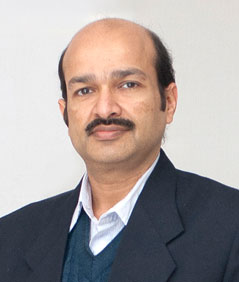
Akhlesh Agarwal
Akhlesh loves to work where there is fusion of Science, Technology and education. An M.Tech in Computer Science from…
Our Approach


Empowerment
Work towards empowering individuals through education and skills towards generating enhanced livelihood.

Impact Areas


Colleges
Integrate employability soft skills in colleges and link with industry projects and mentors.

Blog
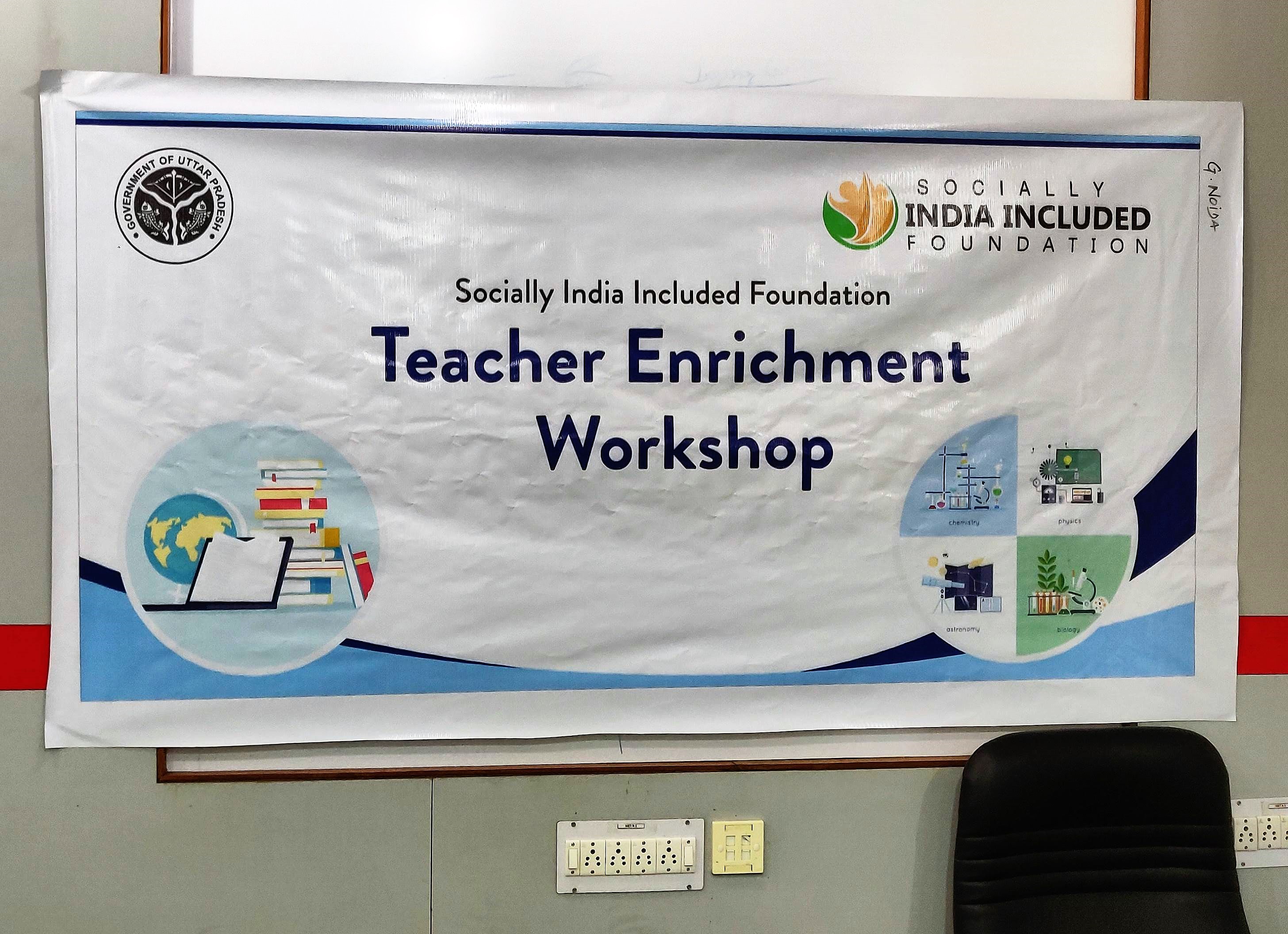
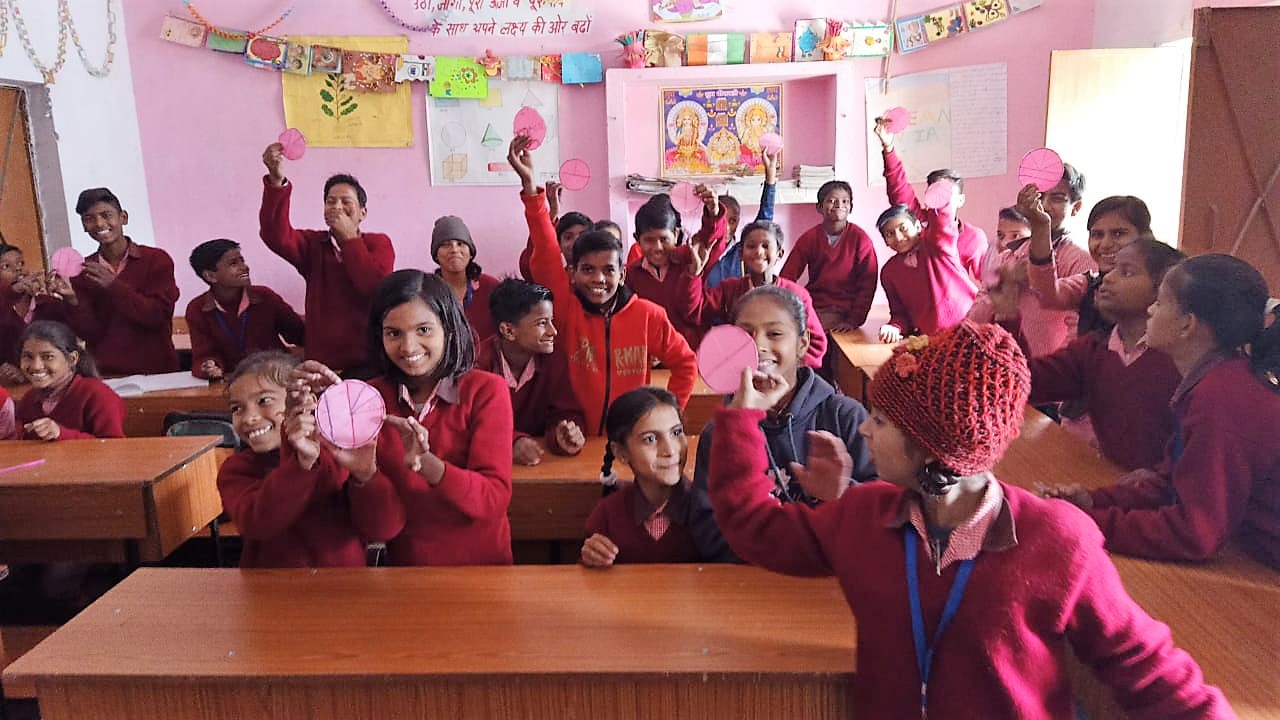
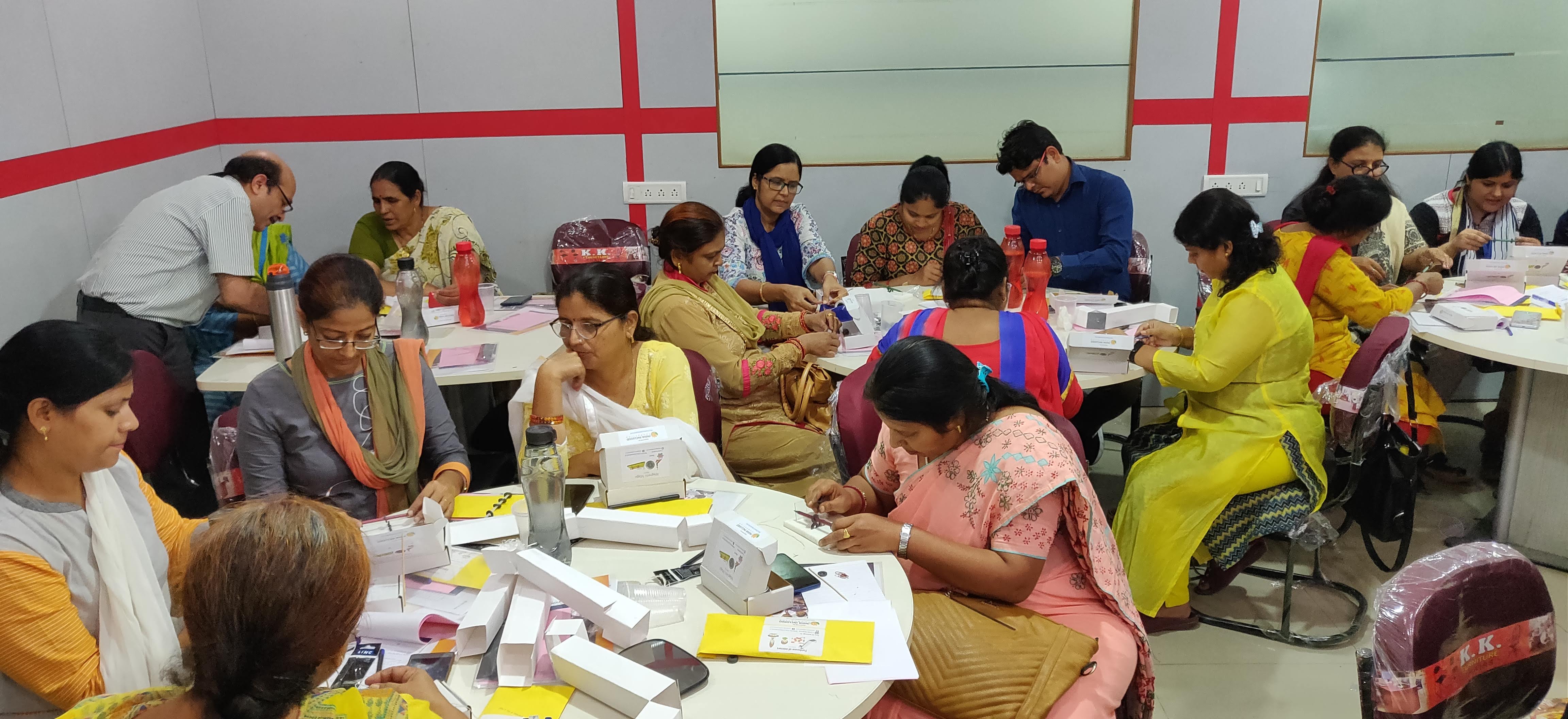
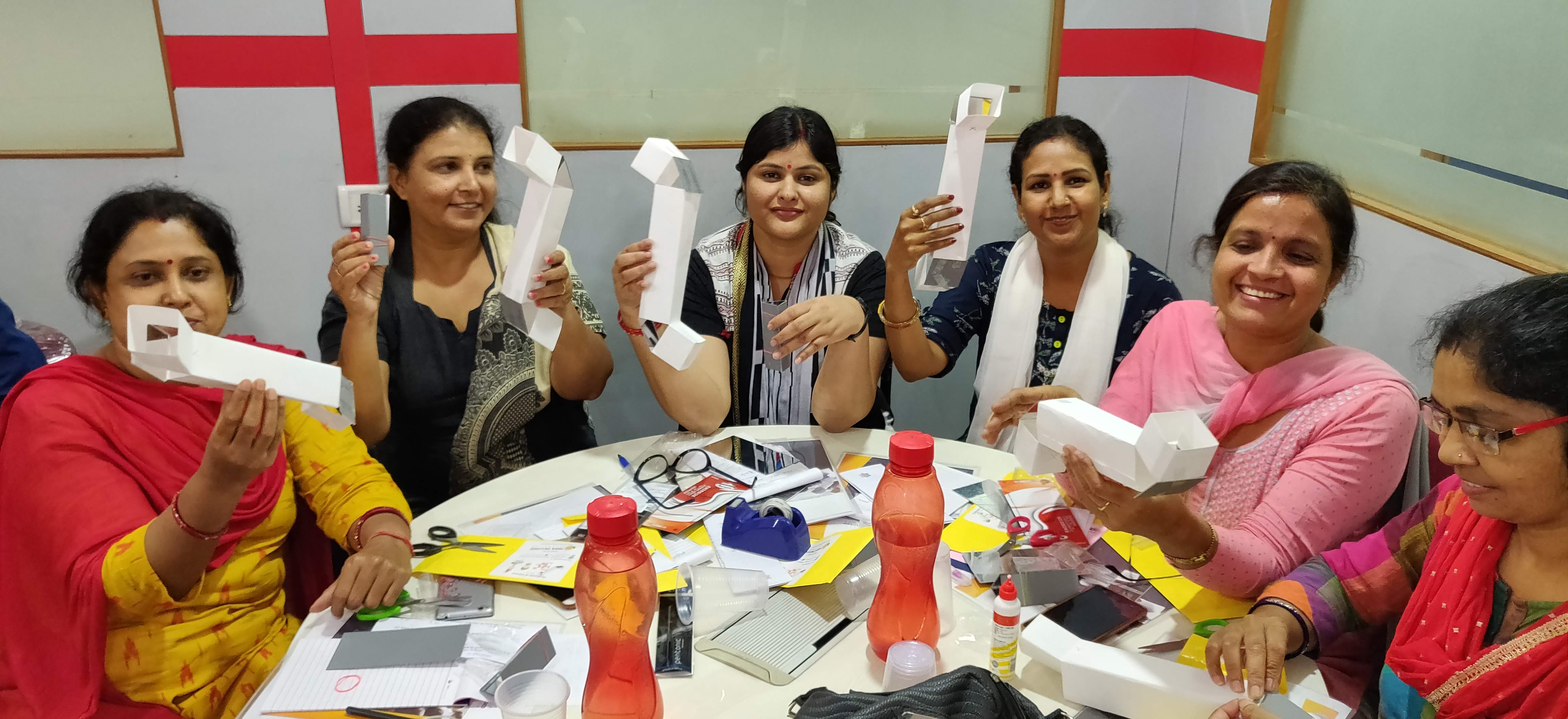
Learning from Children, SIIF Teacher Enrichment Workshop
Socially India Included Foundation (SIIF) held its first Teacher Enrichment Workshop in September 2019. 22 teachers from 17 schools…

Rising Use of Technology requires Increased Human Interaction
As the technologies are increasing in speed and impact, lot of people and organizations are hopeful for doing things…
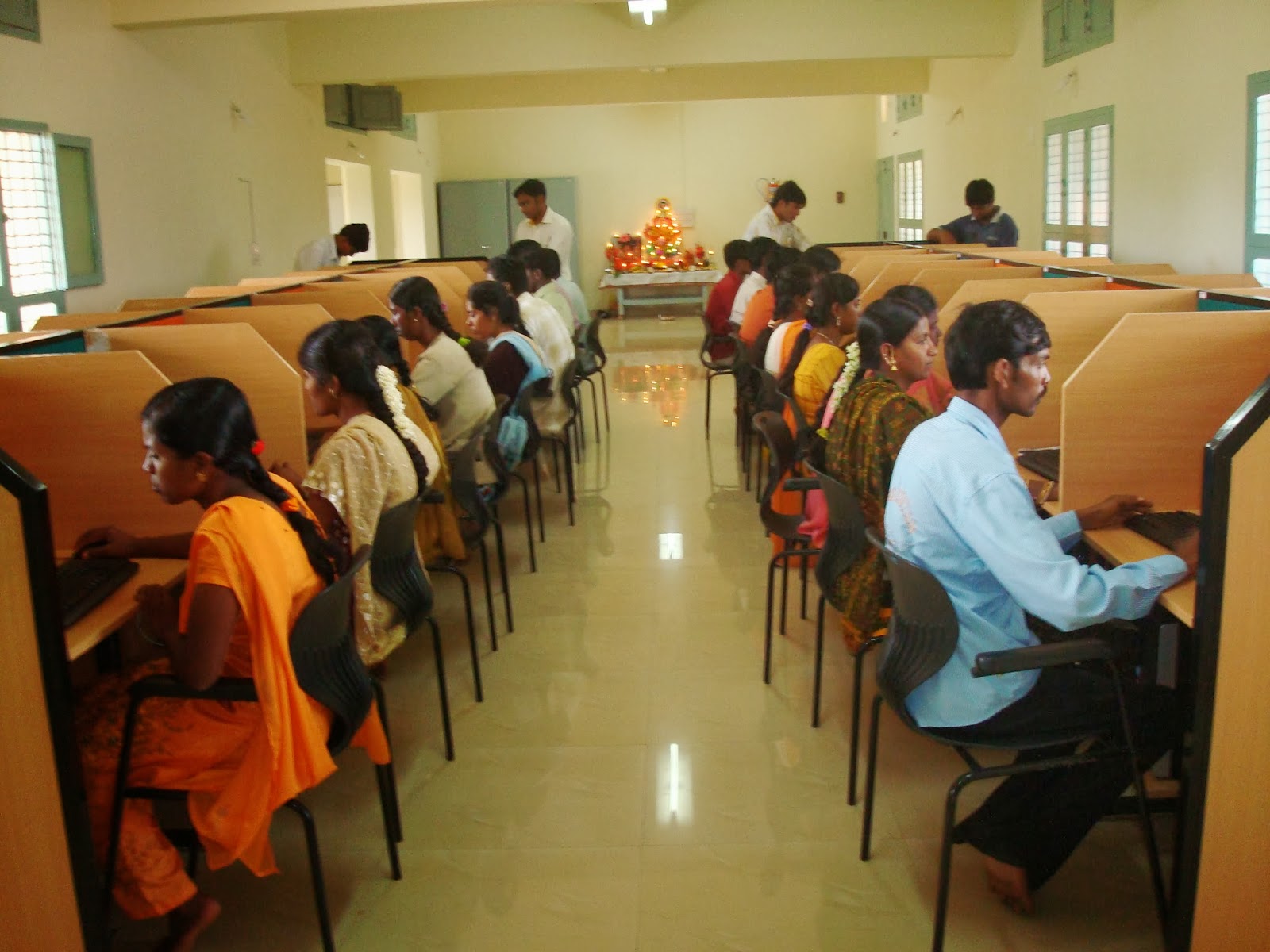
Challenges in Skilling Rural Youth
I am not sure if these are challenges only with Rural youth or the challenges of youth in India…
Gallery
Contact Us
Get associated with Socially India Included Foundation (SIIF). If you are passionate about making a change, and you have ideas on how we can move towards inclusive growth, drop us a line or connect with us directly. You can contribute to this journey by:
* Supporting us with funding
* Volunteering your time to teach in schools and colleges
* Volunteering your time to help organize events
* Volunteering your time and skills for developing brochures and other material
Registered Address:
N-140, Delta 3, Greater Noida – 201308,
Uttar Pradesh, India
Email: growth@indiaincluded.org
Phone: +91-9810024029
Please feel free to contact us using the contact form with your comments, questions, donations or join us in our causes.